01
Enter Both Names
Add the two names you want to blend. Keep the usual spelling first so the tool can test the clearest letter and syllable boundaries.
Couple naming tool
Blend two names into shared-name ideas for couples, wedding hashtags, nicknames, profiles, and meaningful personal projects.
Use Latin-letter spellings. Accents are converted for blending (José becomes Jose); for other scripts, enter a romanized spelling. Spaces and punctuation are omitted from generated names.
Ranking points compare spelling patterns and your selected preferences. They are not a percentage, a probability, a popularity measure, or an availability check.
Built for real decisions, not random mashups
Two names can often be blended in several sensible ways. One combination may keep the opening of the first name and the ending of the second, while another works better by sharing a letter, changing the split point, or reversing the order.
This tool gives you more control than a basic name mashup. You can choose the mood you want, set a preferred length, and decide whether the ranking should favor overall balance, smoother pronunciation, or a more even contribution from both names.
Each generated result is ranked rather than presented as an unfiltered list. The score is a practical comparison signal based on the selected settings, the join between the name parts, and the shape of the final result. It is not a guarantee that one name is objectively better than another; the final choice should still sound right to the people using it.
Use the Username Generator when a shared name needs to become an account handle. For other goals, try the Baby Name Combiner, Word Combiner, or Nickname Finder; the homepage explains the different starting points.
A couple name combiner is a naming tool that turns two existing names into new shared-name ideas. Instead of relying on one fixed formula, it can test different split points, name orders, shared letters, shorter fragments, and sound transitions to uncover combinations that still feel connected to both people.
The same workflow is often described as a couple name generator, couple name maker, couple name mixer, couple nickname creator, or ship name maker. Those labels all point to the same practical goal: mix two names together and compare shared-name options that are easy to read, pronounce, and remember.
On this page, the generator also lets you shape the results by vibe, preferred length, and blend priority. That makes it useful for more than a playful couple nickname: the same process can help with ship names, wedding hashtags, profile names, private shared names, creative projects, and other situations where you want one memorable name built from two originals.
The generated list is a starting point rather than a promise that every option is unique or available. The best choice is the one that reads clearly, sounds natural when spoken, and fits the way you actually plan to use it.
How it works — 3 simple steps
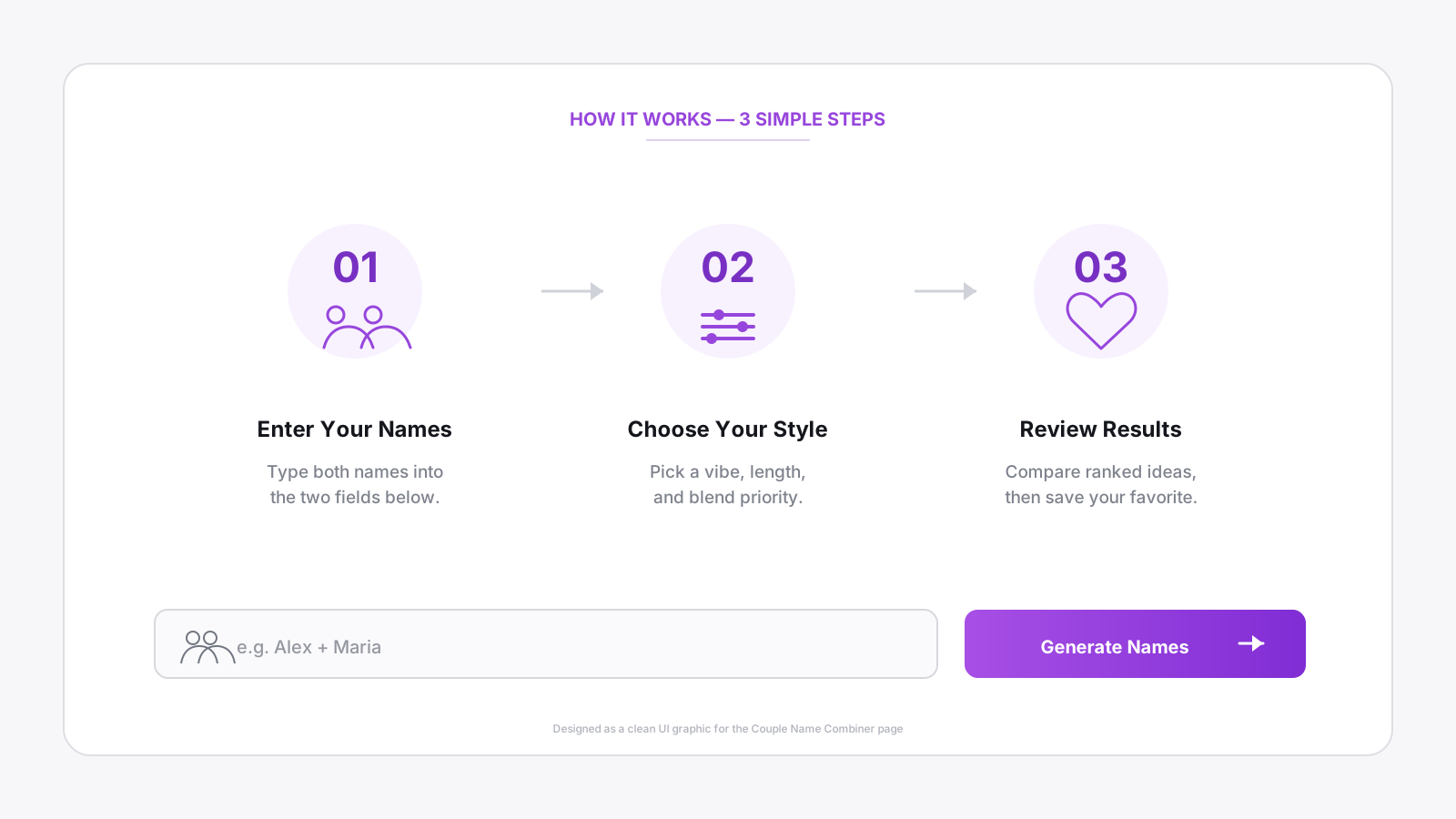
Add the two names you want to blend. Keep the usual spelling first so the tool can test the clearest letter and syllable boundaries.
Pick a vibe, preferred length, and blend priority, then generate. The tool tests several joining patterns instead of relying on one fixed formula.
Review the ranked ideas, read your favorites aloud, copy the strongest options, and save the names you want to compare again.
The strongest choice is still the one that sounds natural to you both. Try the name in a message, profile, invitation, or hashtag before deciding.
Why this tool is different
The generator tests different split points, both name directions, compact blends, and shared-letter joins so one pair of names can be explored in more than one sensible way.
Vibe, preferred length, and blend priority influence how results are ordered. That makes the shortlist more useful than a single unfiltered batch of mashups.
Each suggestion can show a fit score, blend method, and short explanation. You can copy strong options and keep favorites together while deciding.
The current generator performs its name-combining logic on the page itself. It does not need to send the two names to a database just to create suggestions.
The inputs, preference controls, result cards, sharing controls, and guidance sections adapt for desktop, tablet, and mobile layouts.
The goal is not to pretend that software can choose a personal name for you. It is to reduce repetitive trial and error, surface stronger directions sooner, and give you enough context to decide which blend actually feels right.
Name blending is closely related to a linguistic process called blending, where recognizable pieces of existing words or names are joined to create a new form. Familiar examples in everyday language are often called portmanteaus. What makes a blend feel natural is not one single formula: spelling, sound transitions, length, and how clearly the source names remain recognizable can all influence the result.
Our tool uses practical, language-inspired rules rather than pretending to perform full phonetic analysis. It examines letter patterns and possible join points, creates candidates in both directions, and then ranks the results using the preferences you choose.
For broader reading about language, the Linguistic Society of America is an external educational resource. Our portmanteau guide explains word blending; neither resource validates an individual result from this generator.
The result is a focused shortlist of plausible blends — not a claim that every generated name has a single “correct” pronunciation. Read the strongest options aloud and choose the one that feels natural to both of you.
A shared couple name can serve more than one purpose. Some blends work best as private nicknames, while others fit family labels, baby-name inspiration, profile names, or compact initials. Each style benefits from a different balance of length, sound, and recognizability.
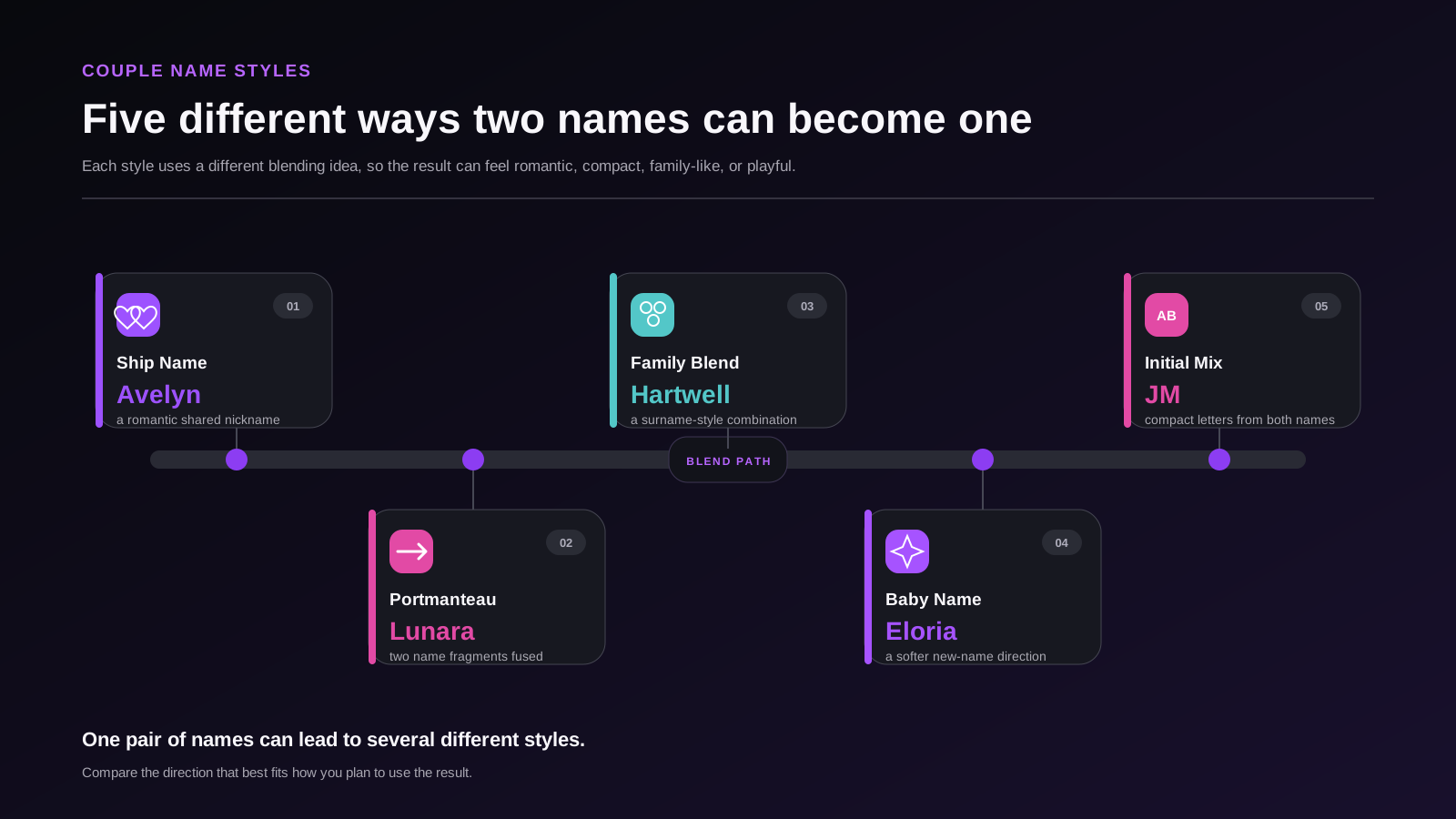
A short shared name made for the two of you — useful for private nicknames, captions, or profile labels.
Example: Nora + Liam → NoliTwo recognizable name fragments joined into one new form while keeping a clear connection to both sources.
Example: Mira + Leon → MironA more surname-like result that combines pieces from both names and feels suitable for a shared household or family label.
Example: Hart + Bell → HartbellA softer blend that borrows sounds or syllables from both parents' names as a starting point for a child-name idea.
Example: Elena + Mason → ElasonA compact option built from initials, first letters, or very short fragments when you want something simple and easy to remember.
Example: Jade + Milo → JMThe generator can explore several of these directions from the same pair of names. You can then compare which result feels most natural for the way you actually plan to use it.
Beyond the nickname
Combined names can show up in more places than a casual nickname. Couples use them for wedding details, social profiles, private keepsakes, gaming identities, shared projects, family groups, and other moments where one memorable name can represent two people together.
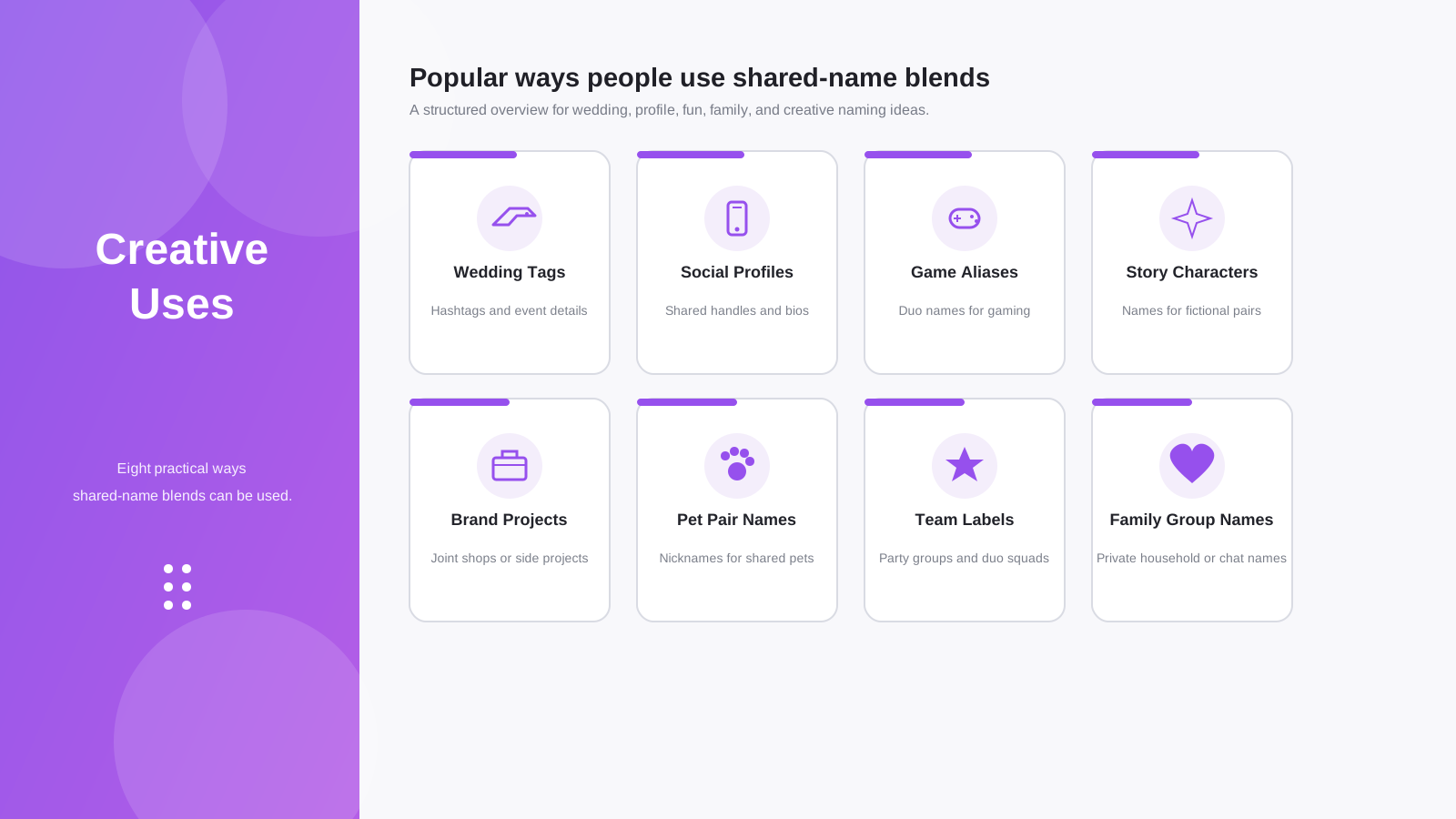
Turn a shared-name blend into a memorable hashtag, welcome-sign detail, favor label, or other small wedding touch.
Use a compact couple name for a joint profile, creator account, travel page, or private handle you both recognize.
Create a matching identity for co-op games, streaming, team lobbies, or a shared gamer profile without using two full names.
Writers, role-players, and fandom communities can use blended names as labels for character pairings or story concepts.
A blended name can provide a starting point for a small shop, side project, creative studio, or collaboration run by two people.
Use pieces of your own names to create a playful nickname for a pet you share, especially when you want something personal but short.
A shared blend can work as a group-chat title, celebration team name, trip label, tournament duo, or event nickname.
Turn two surnames or first names into a simple household label for family chats, reunion folders, keepsakes, or shared albums.
The same blended name does not have to serve only one purpose. A name that begins as a private nickname might later work just as well on an event tag, shared profile, group chat, or keepsake — as long as it still feels natural to both people using it.
Useful terminology
The same kind of naming tool is described in several ways online. The wording changes with the use case, but most of these terms point to the same basic idea: creating one memorable name from two sources.
A broad label for tools that turn two or more names into new combinations.
Usually refers to shared-name ideas made specifically for two partners.
A common phrase in fandom communities for a nickname built from two people or characters.
Emphasizes the process of joining recognizable pieces from separate names.
Describes a blend where fragments from the source names are fused into one new form.
An informal way to describe experimenting with different name fragments and orders.
Overlaps with name combining when the goal is a short personal label for two people.
These labels overlap, but the best description depends on what you are making — a private nickname, wedding tag, profile identity, family-style blend, or another shared-name idea.
How your inputs are handled
The current Couple Name Combiner performs its blending work in the browser, so the two names do not need to be written to PostgreSQL simply to generate suggestions.
This describes the name-generator feature itself. Site-wide services such as analytics, consent tools, or advertising may use their own cookies or technical data when they are enabled, and those should be documented separately in the site's privacy and cookie policies.
Make the shortlist stronger
The generator can do the repetitive blending work, but a few simple checks will help you separate an interesting result from a name you will actually enjoy using.
A blend can feel very different depending on which name contributes the opening and which contributes the ending. Review results from both directions before choosing.
Use the names as you would usually write them first. Clean source spellings make it easier to judge whether a generated blend still feels connected to both people.
A result can look attractive on screen and still feel awkward when spoken. Say the strongest options naturally before you save a final favorite.
Try a different length, vibe, or blend priority when the first shortlist is too long, too playful, or not balanced enough for your purpose.
Copy or favorite a few strong candidates instead of judging dozens at once. Comparing three or four names is usually easier than comparing every generated option.
If you plan to use the blend publicly, check the spelling, meaning, username or domain availability, and how it looks in the exact place where you intend to use it.
A high score is useful for narrowing the list, but it is not a substitute for your own judgment. The best final choice is the one that still sounds natural, looks clear, and fits the purpose you created it for.
Questions about shared-name blending
It takes two names and explores ways their letters, short fragments, and join points can form one shared-name idea. The results are suggestions you can compare rather than a guarantee that every blend will suit every use.
The current name-generation logic runs in your browser and does not need to store the two entered names in PostgreSQL just to create suggestions. Site-wide analytics, advertising, or other services are separate and should be explained in the site's privacy and cookie policies.
The current version of this page can be used without creating an account or making a payment. If the site's access model changes later, this answer should be updated before publication.
Yes, it can be a useful starting point for a shop, project, creator identity, or collaboration. Before using a result commercially, check domain, social-handle, company-name, and trademark availability where relevant.
Yes. A shared blend can work as a pairing label, character nickname, role-play identity, team name, or other fictional naming idea, provided it fits the setting and the platform where you plan to use it.
You can use a generated blend as a username idea, but availability is not checked by this tool. Search the exact spelling on the platform you want before deciding on it.
They can be. Short, easy-to-spell blends often work well in hashtags, invitations, signage, favors, or shared wedding pages. Check that the hashtag is readable and not already heavily used before printing it anywhere.
Memorable blends usually preserve recognizable pieces of both source names while keeping the join easy to pronounce. Short length, familiar sound patterns, and a clean transition between fragments can make the result easier to remember.
Common approaches include joining the start of one name to the end of another, trying the reverse order, using a shared letter as a bridge, shortening awkward clusters, and comparing several possible split points.
Try both name orders, compare short and medium-length fragments, look for shared letters, and say the strongest results aloud. Changing where each name is split often creates very different outcomes from the same pair.
A strong option is easy to say, straightforward to spell, memorable, and still connected to both source names. It should also fit its intended use, whether that is a private nickname, profile name, wedding tag, or project label.
The terms often describe very similar tools. Both generally create one shared name from two people, although individual websites may use different rules, controls, or result-ranking methods.
A ship-name generator creates a shared label for a pair of people or fictional characters. The term is common in fandom communities, while couple-name combiner is a broader description that can also cover real-life couples and other uses.
When recognizable parts of two source words or names are fused into one new form, the result may be described as a blend or portmanteau. Not every combined name follows exactly the same linguistic pattern, so 'name blend' is also a useful general term.
A name combiner starts from the names you provide and builds candidates from their letters or fragments. A random nickname does not necessarily preserve any recognizable connection to the original names.
You have seen how the blending methods work and how to compare the strongest results. Now put your own two names into the generator and explore combinations built from the spelling, length, and style choices that matter to you.
Try more than one direction, keep a short list of the names that sound natural aloud, and choose the result that still feels right when you use it in a profile, wedding detail, private nickname, or shared project.
Combine Couple Names Now